Tweeter and woofer of a wood-veneer bookshelf speaker in close-up

Best Bookshelf Speakers of 2026: 4 Picks Compared

We may earn a commission when you buy through links on this page. As an Amazon Associate I earn from qualifying purchases. How we make money

A pair of bookshelf speakers gives you a stereo image that headphones and small Bluetooth speakers cannot match. The main decisions are passive or powered, how big they should be for your room and where the ports sit. This page is for listeners building a first hi-fi or upgrading from a soundbar.

We compared 4 bookshelf speakers and picked 4.

Our picks at a glance

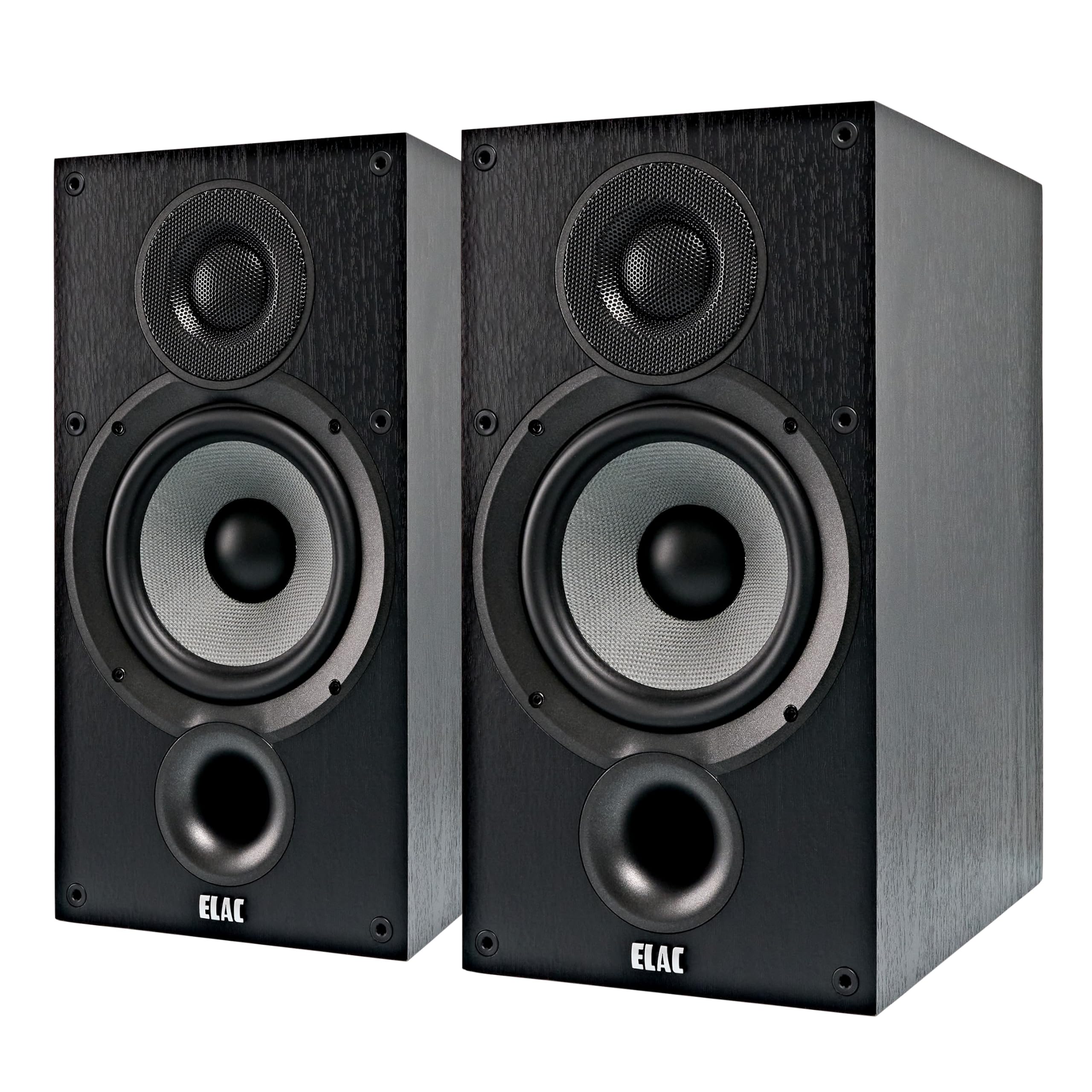
  1. ELAC Debut 2.0 B6.2
    Best overall ELAC Debut 2.0 B6.2 An Andrew Jones design with 6.5-inch woofers that sounds full and balanced for the price.
    Currently unavailable on Amazon
  2. KEF Q1 Meta
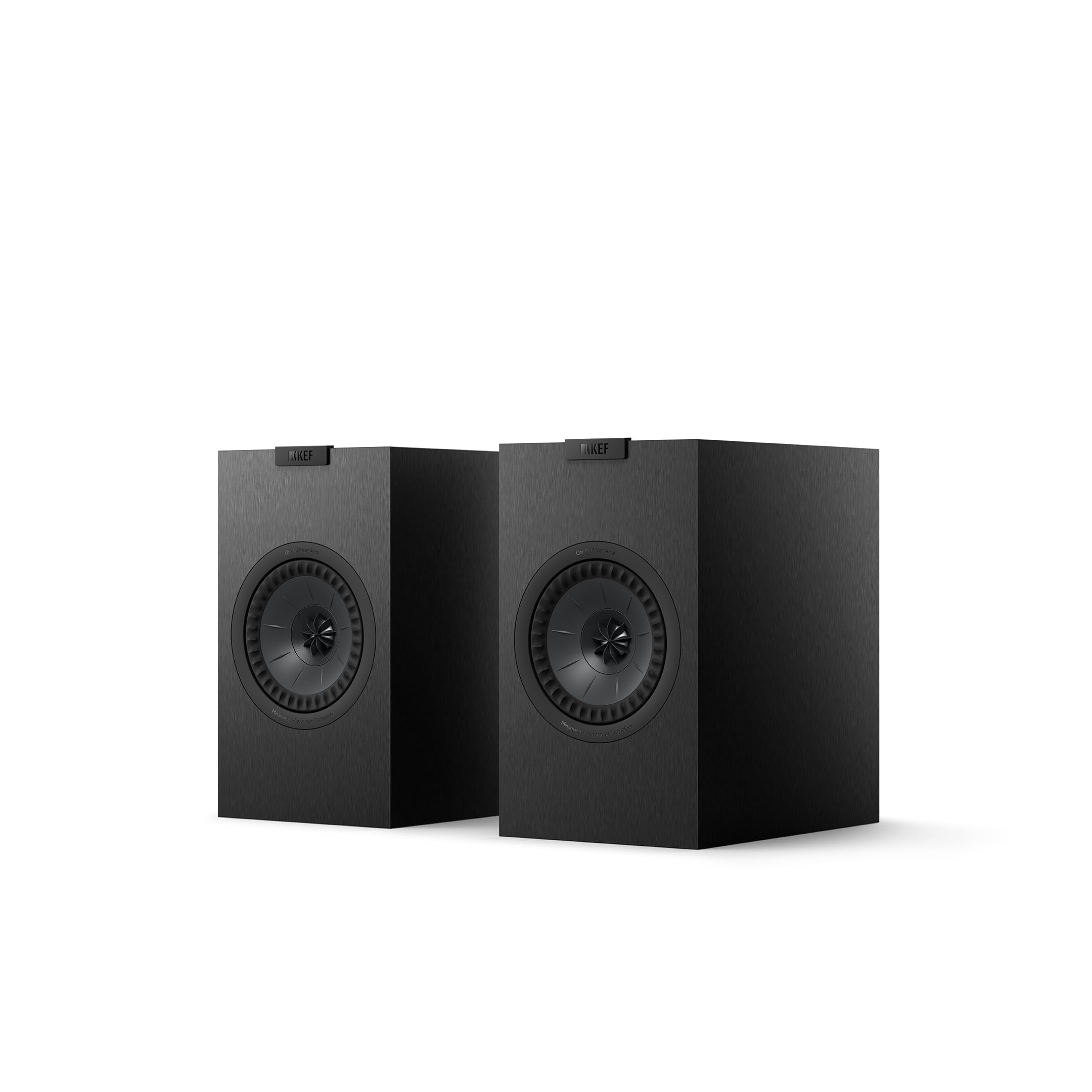
    Best upgrade KEF Q1 Meta KEF's Uni-Q driver puts the tweeter in the center of the woofer for precise imaging.
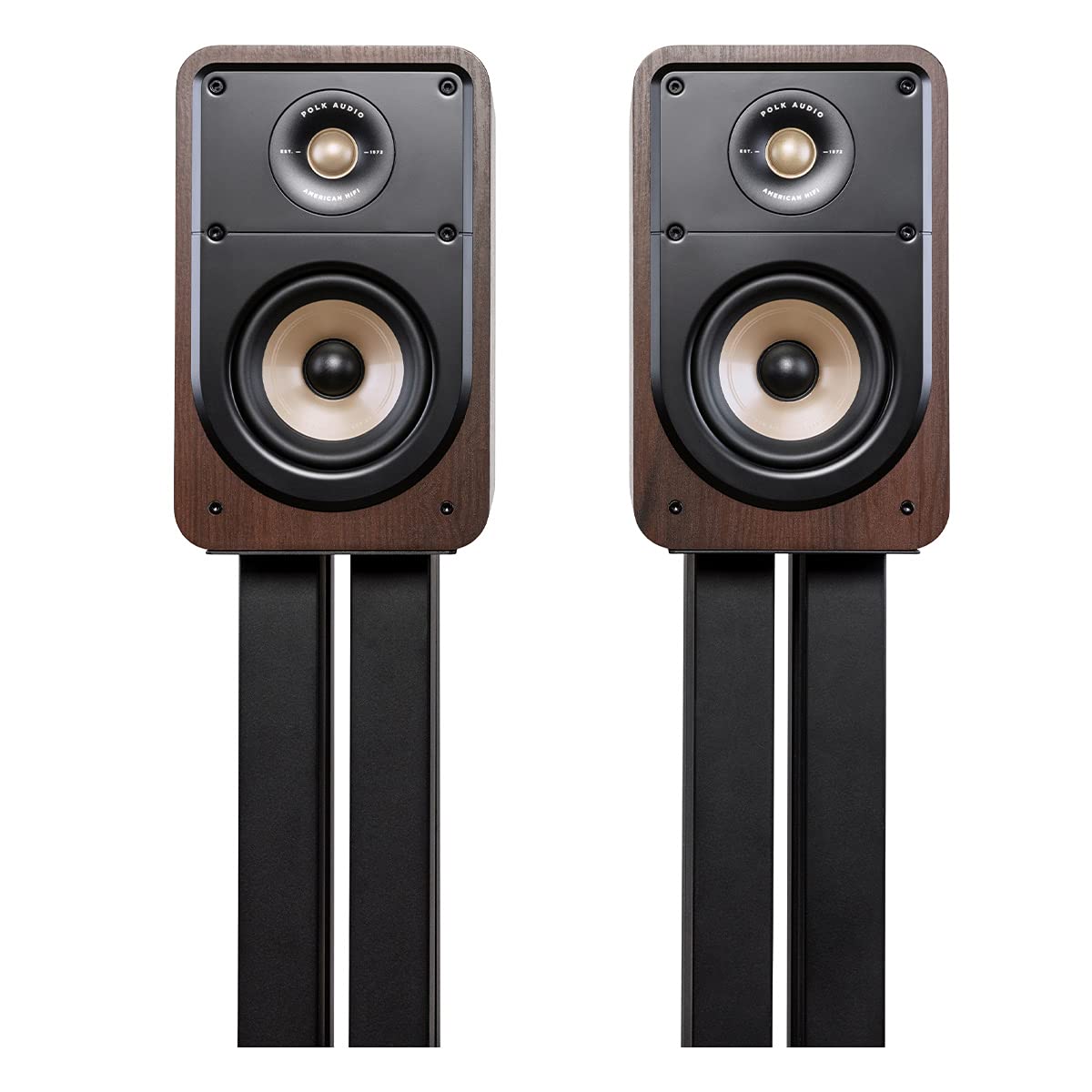
  3. Polk Signature Elite ES15
    Best value Polk Signature Elite ES15 Hi-Res certified bookshelf speakers at a mid price with an easy load for most amps.
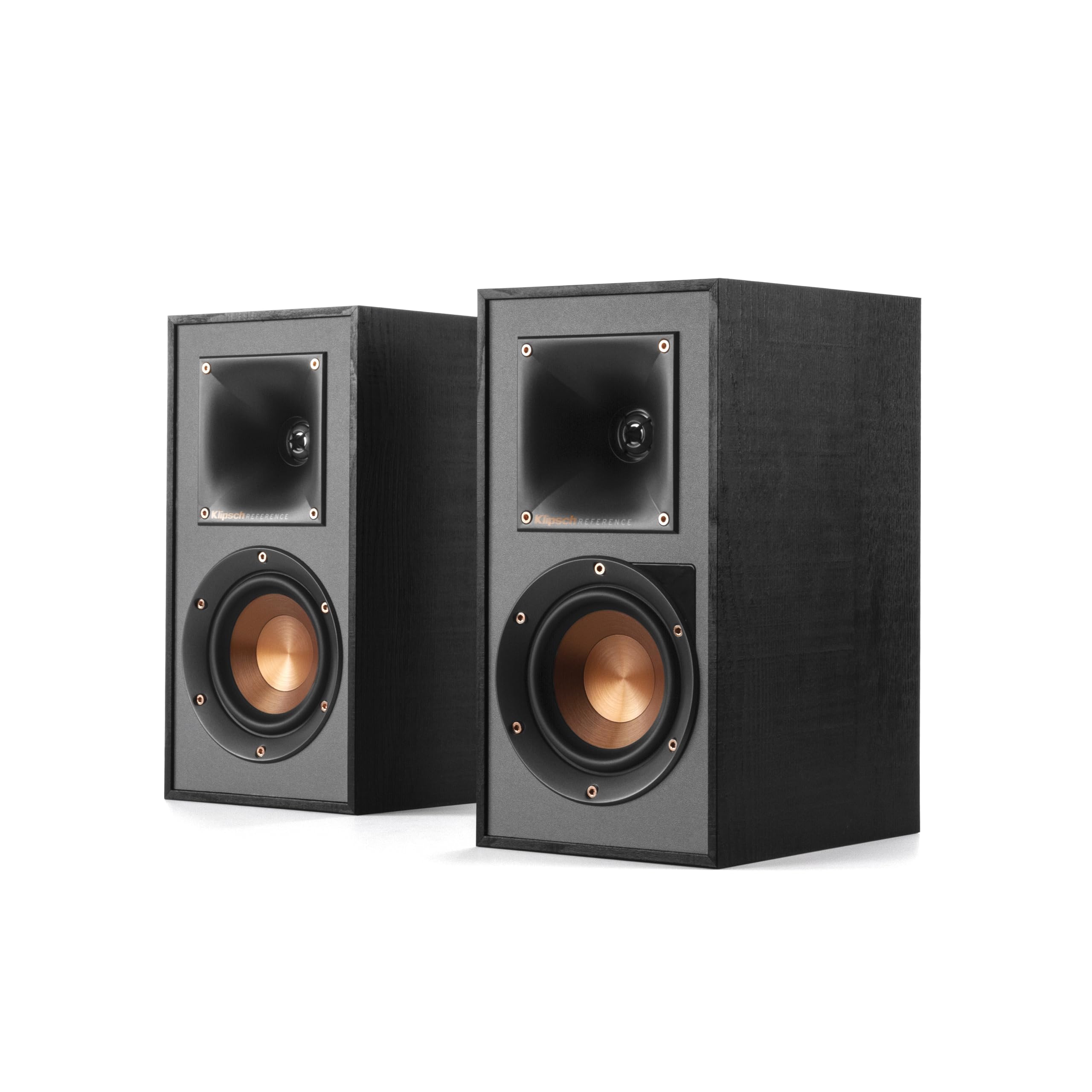
  4. Klipsch R-41M
    Best budget Klipsch R-41M Klipsch's horn-loaded tweeter gives a lively, dynamic sound at a low price.

Compare the picks

Product Type Woofer (in) Sensitivity (dB) Impedance (Ω) Frequency response (Hz) Recommended amp power (W) Port Dimensions (in) Link
ELAC Debut 2.0 B6.2 Best overall ELAC Debut 2.0 B6.2 Bookshelf 6.5 inches – 6 ohm 44 hertz – – – Currently unavailable on Amazon
KEF Q1 Meta Best upgrade KEF Q1 Meta Bookshelf 5.25 inches – 4 ohm 20 KHz – – – View on Amazon (opens Amazon in a new tab)
Polk Signature Elite ES15 Best value Polk Signature Elite ES15 Bookshelf 5.25 inches – 8 ohm 40 KHz – – – View on Amazon (opens Amazon in a new tab)
Klipsch R-41M Best budget Klipsch R-41M Bookshelf 4 inches – 8 ohm 68 hertz – – – View on Amazon (opens Amazon in a new tab)

Specs as listed by the manufacturer or seller. Paid links.

Jump to section
  1. How we chose
  2. The best bookshelf speakers
  3. How to choose the right bookshelf speaker
  4. Tips for using your bookshelf speaker
  5. FAQ
  6. Sources

How we chose

  • Passive or powered

    passive speakers need a separate amp and powered speakers have one built in.

  • Sensitivity and amp pairing

    the speaker and amp have to suit each other.

  • Size for your room

    a bigger woofer plays lower, but a small room can get boomy.

  • Port position

    rear ports need space behind the speaker.

  • Finish

    the finish should suit the room you live in.

  • Stands

    stands put the speakers at the right height and free up space.

  • We compared 4 bookshelf speakers that fit this page and picked 4.
  • Sources: maker product pages, manuals and spec sheets, plus Audio-Technica, KEF for the facts behind the advice.
  • Specs as listed: every value in our table comes from the manufacturer or seller listing. A dash means the listing does not give that spec.
  • We have not hands-on tested these products. Full method

The best bookshelf speakers

1. Best overall: ELAC Debut 2.0 B6.2

ELAC Debut 2.0 B6.2

Why we picked it

An Andrew Jones design with 6.5-inch woofers that sounds full and balanced for the price.

Pros

  • Full sound from 6.5-inch woofers
  • Balanced, easy-going tuning

Cons

  • Needs a separate amplifier

Key specs

Type
Bookshelf
Woofer (in)
6.5 inches
Impedance (Ω)
6 ohm
Frequency response (Hz)
44 hertz
Currently unavailable on Amazon

How to choose the right bookshelf speaker

Bookshelf speakers look similar until you read the spec table. If you are unsure about the amp, start with active vs passive speakers, and use the speaker placement guide to get the most from whatever you buy. The six checks below show where pairs really differ.

Passive or powered

This is the first choice, because it decides what else you need to buy. Audio-Technica puts it simply: powered (active) speakers have a built-in power amplifier, and passive speakers need a separate power amplifier (Audio-Technica). Passive pairs suit a stereo system you already own or plan to grow. Powered pairs suit a simpler setup. Our comparison of active vs passive speakers weighs the two.

Sensitivity and amp pairing

Check the sensitivity, impedance and recommended amp power columns, then compare them with your amplifier's rating. Sensitivity tells you how loud a speaker plays for a given input, and the recommended power tells you what the maker expects the amp to deliver. If the numbers are far apart, the speakers may play quietly or the amp may be pushed too hard. Powered models take this question off your list.

Size for your room

A bigger woofer can play lower, but a small room can turn boomy. Check the woofer and dimensions columns against the shelf or stand you plan to use, and leave space around the cabinet, since KEF recommends equal distances from the walls (KEF). In a small room, a smaller pair placed well often beats a large pair squeezed in.

Port position

Check whether the port is at the front or the rear. A rear port needs open space behind the speaker, so it is harder to use on a shelf pushed against a wall. A front port is more forgiving. KEF's typical optimal distance from the front wall is 300 to 1000 mm, about 1 to 3.3 ft (KEF), and our speaker placement guide explains how to apply it.

Finish

Look at the finish options on the listing, and check whether grilles are removable. It is a personal choice, but it is easier to live with a pair you like to look at.

Stands

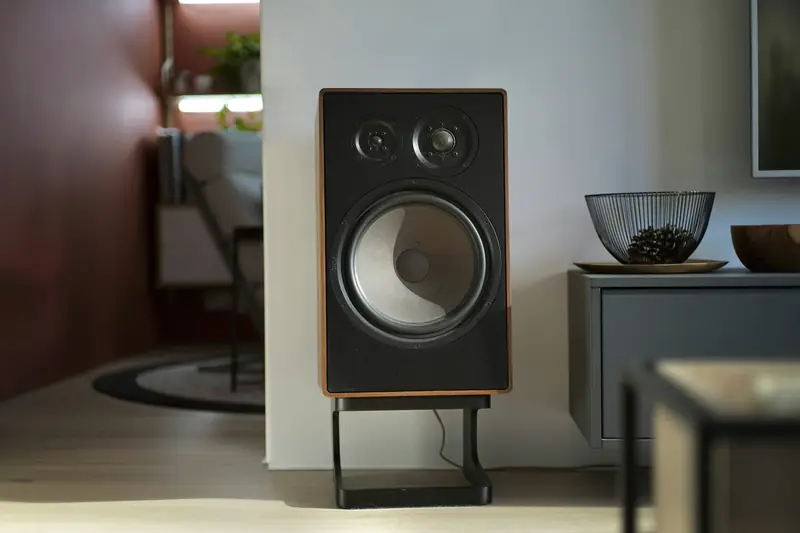
Stands put the speakers at a useful height and free up the shelf. Dolby puts the best height for main speakers at about the level of your ears when you are seated, which is about 3.9 ft from the floor (Dolby). Check the dimensions column to match a stand to each speaker, and keep both speakers at the same height.

Tips for using your bookshelf speaker

  • Put the speakers where you will actually listen. Our placement guide gives KEF's distances.
  • Want a simpler setup? Compare powered bookshelf speakers.
  • For vinyl, remember you need a phono preamp somewhere in the chain. See how to set up a turntable.
  • Match the speaker's recommended amp power to your amp. Measure the shelf or stand, then compare the dimensions column, so the cabinet and port fit without crowding the wall.

FAQ

Do they need an amplifier?

It depends on the type. Audio-Technica explains that powered (active) speakers contain their own power amplifier, while passive speakers rely on a separate one (Audio-Technica).

Where should they go?

KEF suggests forming an equilateral triangle with your seat, and keeping the speakers 300 to 1000 mm (about 1 to 3.3 ft) from the front wall (KEF).

Can I connect a turntable?

Yes, but the signal needs a phono preamp first. Audio-Technica says that preamp can sit inside the turntable or be a separate unit (Audio-Technica).

Stands or shelf?

Stands are useful because Dolby puts the best height for main speakers at about seated ear level, roughly 3.9 ft from the floor (Dolby).